
Crown vs. Filling: Which Does Your Tooth Actually Need?
Your dentist recommended a crown, but you were hoping for a filling. Here's how that decision is actually made.
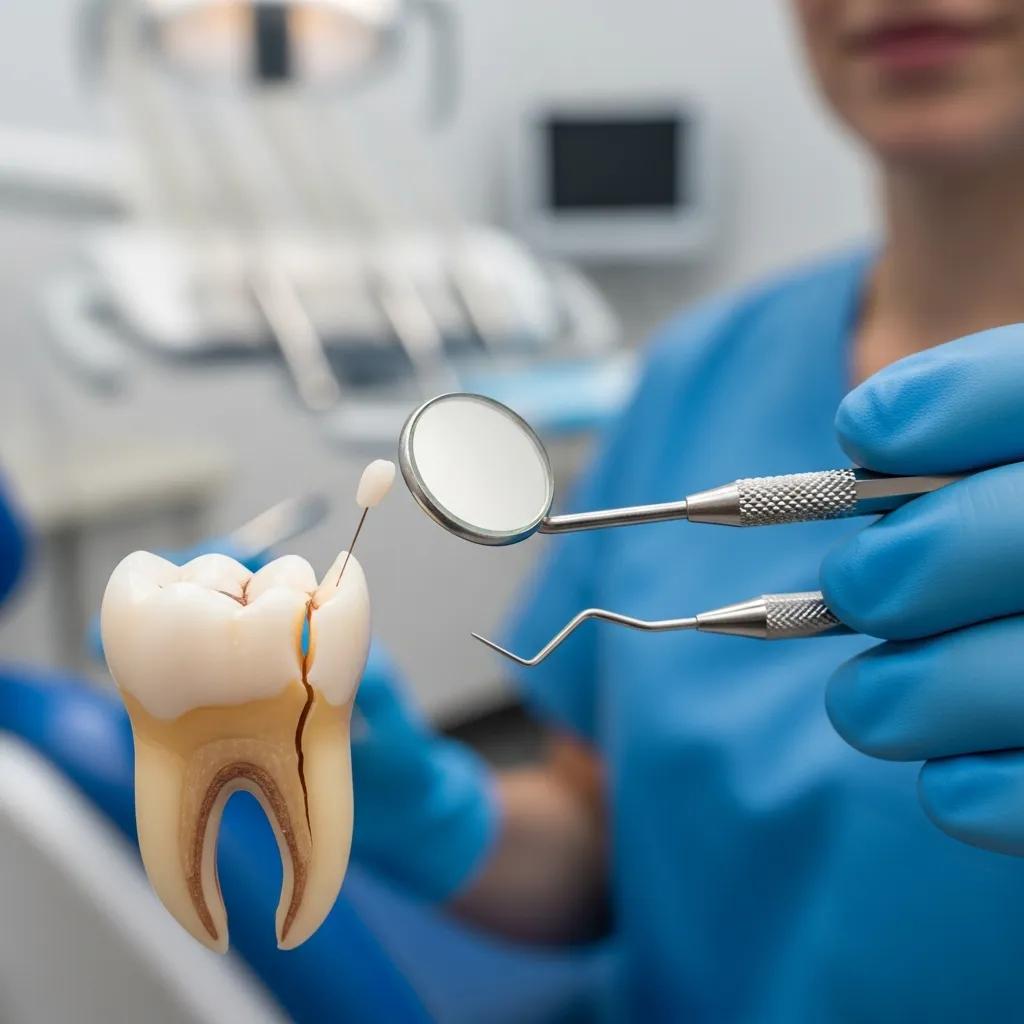
The Deciding Factor: How Much Tooth Is Left
This is the heart of it. A filling replaces missing tooth structure and relies on the remaining healthy tooth around it for strength. A crown covers the entire tooth, taking over the job of holding it together.
When enough healthy structure remains, a filling works well. When too much has been lost — to decay, a large old filling, or a fracture — the remaining walls become thin and prone to cracking under chewing force. That's when a crown is the appropriate call.
When a Filling Is Right
- Small to moderate cavities
- Minor chips
- Plenty of solid tooth structure remaining
- Replacing a small older filling
When a Crown Is Needed
- Large cavities where most of the tooth is gone
- A cracked or significantly fractured tooth
- After a root canal on a back tooth, which becomes more brittle
- Replacing a very large old filling that's failing
- A tooth that has already broken once under normal chewing
Why the Wrong Choice Backfires
It's understandable to want the less expensive option. But placing a large filling in a tooth that needed a crown often ends badly: the weakened walls fracture, sometimes below the gumline, and a tooth that could have been saved with a crown ends up needing extraction. The cheaper option becomes far more expensive.
That's the honest reason a dentist may push back when you ask for a filling instead — it's not upselling, it's an assessment of whether the remaining tooth can carry the load.
Fair Questions to Ask
You're entitled to understand the reasoning. Reasonable questions: How much healthy tooth is left? Can I see the X-ray or photo? What happens if we try a filling and it fails? Is there any option to wait? A good dentist will answer all of these directly and show you the evidence.
Cost and Longevity
Fillings cost considerably less upfront and are usually done in one visit. Crowns cost more and often take two visits, but protect a compromised tooth for many years. Most dental plans cover both to varying degrees, and financing is available. If your tooth is broken right now, see what to do about a broken tooth.
Book a consultation at our Oak Lawn office, or call (214) 699-4976. Se habla español.