
Do I Need a Bone Graft After a Tooth Extraction?
When socket preservation makes sense, what it involves, recovery, and how it fits with a future implant.
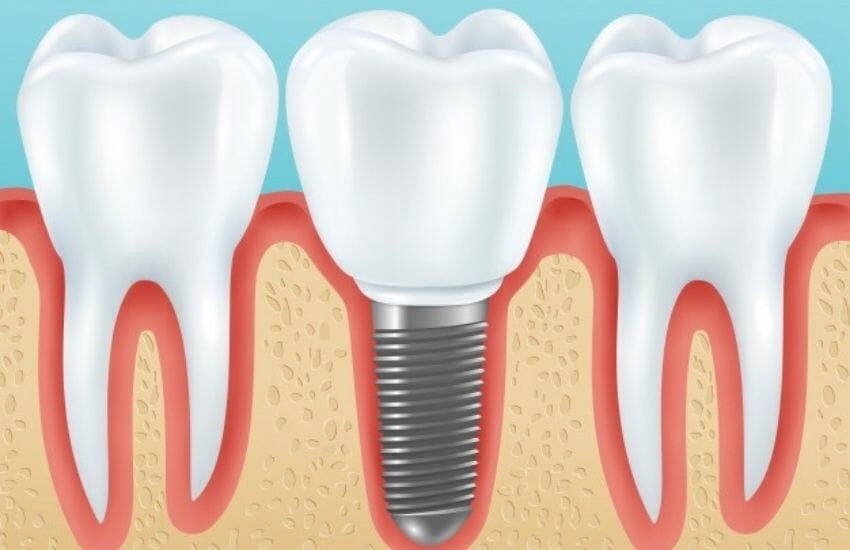
Not everyone needs a bone graft after a tooth extraction. A graft, also called socket preservation, is recommended when you plan to replace the tooth with an implant or bridge, when the tooth is in your smile line, or when the surrounding bone is already thin. It is placed the same day as the extraction, while you are still numb.
Tooth needs to come out? Ask about a graft before the extraction. New emergency patients: $99 exam with X-rays.
3607 Oak Lawn Ave, Suite 250, Dallas · Mon & Wed 10–7 · Fri 3–7 · Sat 10 AM–8 PM · Todo nuestro equipo habla español.
Do I need a bone graft after a tooth extraction?
It depends on what happens to that space next. When a tooth comes out, the bone that held it no longer has a root to support, and over the following months the jawbone in that spot naturally shrinks in height and width. For some teeth that does not matter much. For others it matters a great deal.
Your dentist is most likely to recommend a graft when:
- You want a dental implant later. An implant needs enough healthy bone around it. Keeping the bone now can make implant placement simpler later.
- The tooth is in a visible area. Front teeth and premolars show when you smile. If the bone shrinks there, the gum can sink and leave a dip that is hard to hide.
- The bone is already thin or damaged. Infection, an abscess, gum disease, or a cracked root can wear away bone before the tooth is ever removed.
- A bridge will span the space. A fuller ridge under a bridge looks and cleans better.
A graft is often not needed when the tooth will not be replaced, such as many wisdom teeth, or when the bone around the socket is thick and healthy. Your dentist looks at your X-rays and the socket itself and explains the reason either way.
What is socket preservation, exactly?
Socket preservation is the most common bone graft in general dentistry. Right after the tooth is removed and the socket is cleaned, your dentist fills it with graft material. The material acts as a scaffold. Over the next few months your body grows its own new bone into it, so the socket fills with bone instead of collapsing.
The graft is usually covered with a thin protective membrane, and a few stitches may hold the gum in place. The whole step adds only a short time to the extraction appointment. You do not need a second visit or a second round of numbing.
What kinds of bone graft material are used?
| Graft type | Where it comes from | Typical use |
|---|---|---|
| Donor bone | Processed, sterilized human bone from a tissue bank | The most common choice for socket preservation |
| Animal-derived bone | Processed bone mineral, usually bovine | Holds space well while new bone forms |
| Synthetic material | Lab-made bone substitute | An option for patients who prefer no donor tissue |
| Your own bone | Taken from another area of your jaw | Larger rebuilds, usually not needed for a single socket |
All of these materials are widely used and have a long track record. Your dentist recommends one based on the size of the socket, your plans for the space, and your preferences. Ask questions. You should always know what is being placed and why.
What happens if I skip the bone graft?
Skipping a graft does not harm your health, and for many extractions it is the right call. The tradeoff shows up later, if you decide to replace the tooth. When the bone has shrunk, an implant may need a larger graft first, which adds time and cost before the implant can go in. In the front of the mouth, lost bone can also change how the gum line looks.
That is why the best time to talk about a graft is before the extraction. If you think you might want an implant one day, say so at your visit. A small graft now is often simpler than a bigger rebuild later.
What if the tooth is infected or abscessed?
Many of the extractions we see start as an emergency: a swollen, painful, infected tooth. In those cases your dentist first drains and cleans the infection. Depending on how the socket looks, the graft may be placed the same day once the area is clean, or the site may be left to settle first. Infection changes the plan, not the goal. Getting the infection out comes first.
If you are dealing with swelling or a throbbing tooth right now, read our guide to dental abscess warning signs and get seen quickly. Facial swelling that spreads, fever, or trouble swallowing or breathing needs the emergency room right away.
Planning an extraction? Ask whether a graft makes sense for you. Emergency patients welcome.
3607 Oak Lawn Ave, Suite 250, Dallas · Mon & Wed 10–7 · Fri 3–7 · Sat 10 AM–8 PM · Todo nuestro equipo habla español.
What is recovery like after a bone graft?
Recovery feels much like a regular extraction. Expect some soreness and mild swelling for a few days. Most people return to work or school the next day.
- Protect the site. Avoid spitting hard, using straws, and smoking for the first several days. These can disturb the clot and the graft.
- Eat soft foods. Chew on the other side until your dentist says the area is ready.
- Do not worry about a few grains. It is common to notice a few small, sand-like particles in your mouth in the first days. That is normal in small amounts.
- Call if something feels wrong. Pain that gets worse after the third day, a bad taste, or swelling that grows are reasons to come back in.
Our tooth extraction page covers general aftercare, and our guide to tooth extraction in Dallas walks through the visit step by step.
How long until I can get an implant?
Most graft sites need about 3 to 6 months to fill in with your own bone. Your dentist checks the area with X-rays, and when the bone is ready, the implant is placed. If you are planning ahead, our dental implants page explains the full process, and our dental implant cost guide explains what goes into the price.
How much does a bone graft add to the cost?
A bone graft is a separate step from the extraction, with its own fee. At Bleu Dentistry, simple extractions are $150 to $300 and surgical extractions are $250 to $650, as listed on our extraction page. Any graft appears as its own line on a written quote before treatment starts, so there are no surprises. Single dental implants start at $3,000 and range to $5,000 or more, and whether you need grafting is one of the factors in that range.
Dental insurance coverage for grafts varies by plan. Our team checks your benefits, and flexible financing is available. See our dental financing page for the options.
Where can I get a tooth extraction and bone graft in Dallas?
Bleu Dentistry is at 3607 Oak Lawn Ave, Suite 250, in Oak Lawn, a short drive from Uptown, Highland Park, and Knox-Henderson. Extractions, surgical extractions, and socket preservation grafts are done right here in our office, and sedation options are available if you feel nervous. Bleu Dentistry is open Monday and Wednesday 10 AM to 7 PM, Friday 3 PM to 7 PM, and Saturday 10 AM to 8 PM. Tuesday, Thursday, and Sunday we are closed, but online booking stays open. Emergency patients and walk-ins are welcome, and todo nuestro equipo habla español.
Bottom line
A bone graft after extraction is not automatic. It makes the most sense when you want an implant or bridge later, when the tooth shows in your smile, or when the bone is already thin. Ask about it before the tooth comes out, so the decision is yours and the price is clear up front.
Painful or broken tooth? Same-day visits start with a $99 emergency exam with X-rays. Walk in or book online.
3607 Oak Lawn Ave, Suite 250, Dallas · Mon & Wed 10–7 · Fri 3–7 · Sat 10 AM–8 PM · Todo nuestro equipo habla español.